Turboprop
Pilatus PC-12, King Air 350
- Seats6–9
- Range~1,800 nm
- Per hour$1,800–3,200
The whole journey, compared
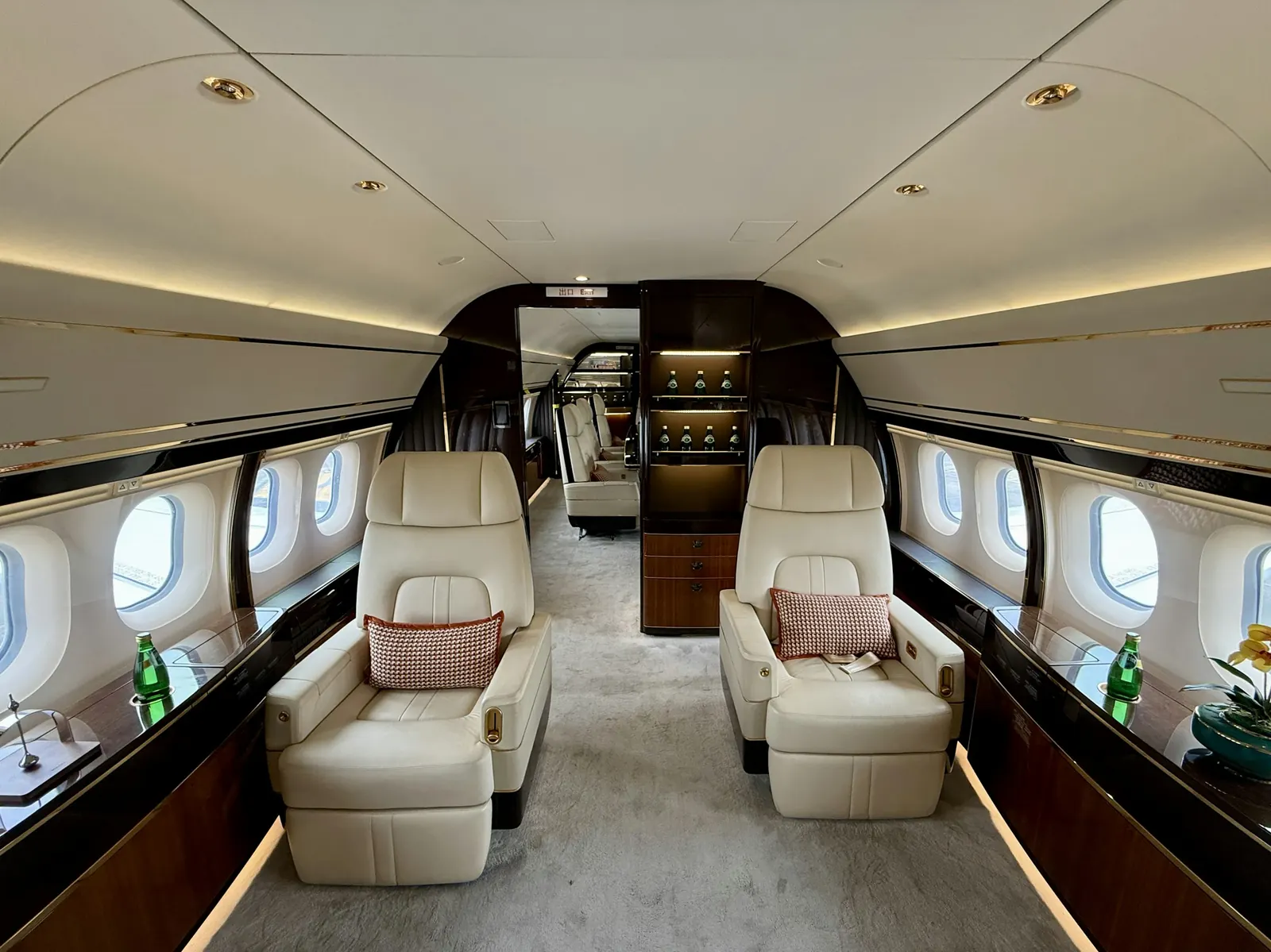
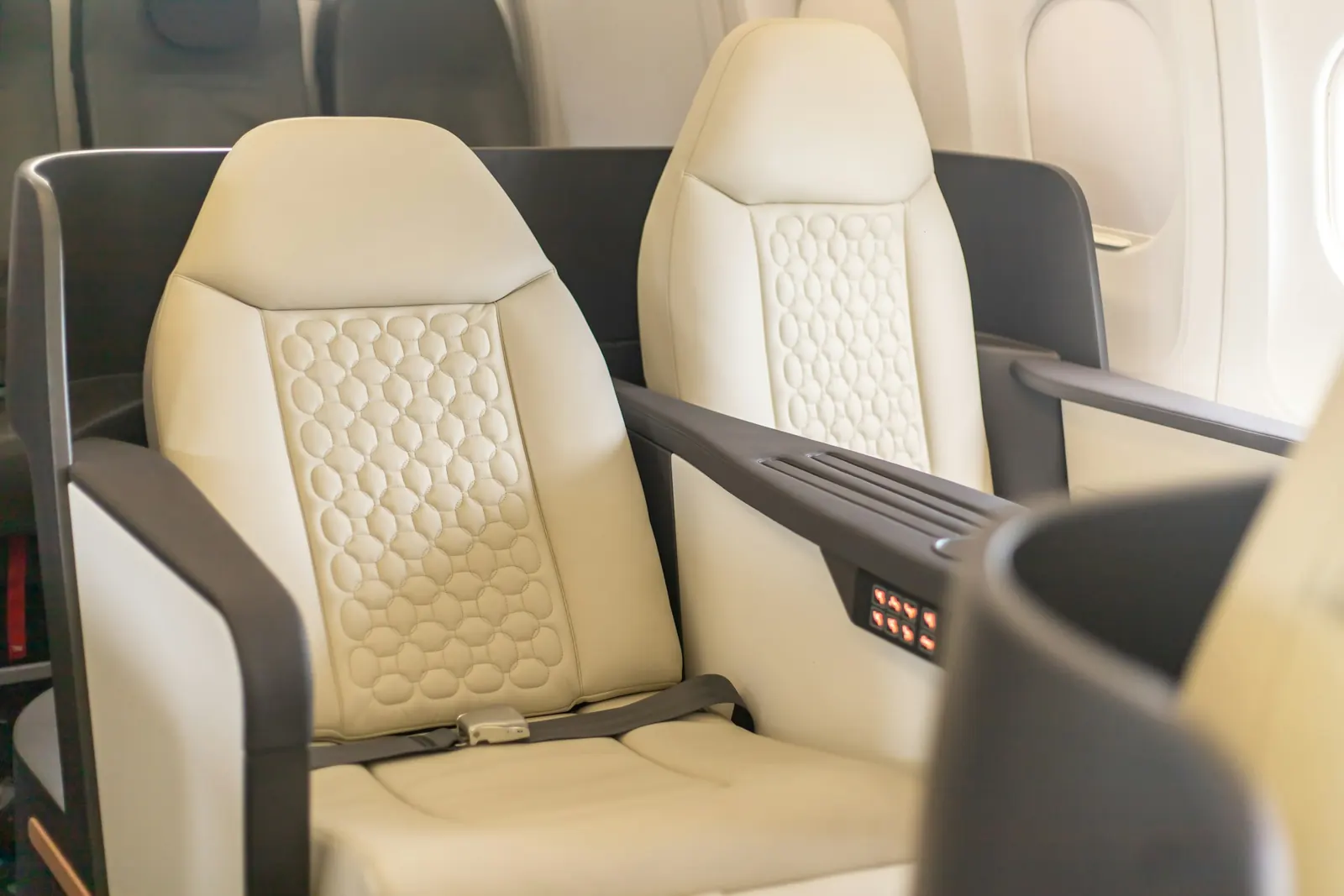
No check-in queues and no connections; most travellers are aboard 15 to 30 minutes after arriving.
Excise tax, segment fees and known airport costs in every quote, so the comparison with your fare is fair.
Each flight is run by an FAA Part 135 carrier, or the foreign equivalent abroad.
No membership or deposit, and a straight answer when first class is the better buy.
Door to door
One weekday trip from Manhattan to Palm Beach, counted from front door to car door. Same drive to each airport; the difference is everything around the flight.
Door to door3 h 40 min
Door to door5 h 15 min
Illustrative timings for one nonstop weekday trip, with priority lanes and checked bags on the airline side. Your day will differ, and a connection widens the gap.
How we counted itCost, shared
Charter is priced per aircraft, not per seat. Here is a light jet from Teterboro to Palm Beach, about two and a half hours, split by the number of travellers. Set it against the first-class fare you would actually pay that day.
When four tickets meet one jet| Travellers | Light jet total | Per person |
|---|---|---|
| 2 | $9,420–14,790 | $4,710–7,400 |
| 4 | $9,430–14,800 | $2,360–3,700 |
| 6 | $9,440–14,810 | $1,570–2,470 |
A fair comparison
Private flying isn’t the right answer for every trip. These are the patterns we see when people weigh the two honestly.
Aircraft
US market hourly estimates before tax and fees. Most short trips that compete with first class are flown in light or midsize jets.
Pilatus PC-12, King Air 350

Phenom 300E, Citation CJ4, Learjet 75
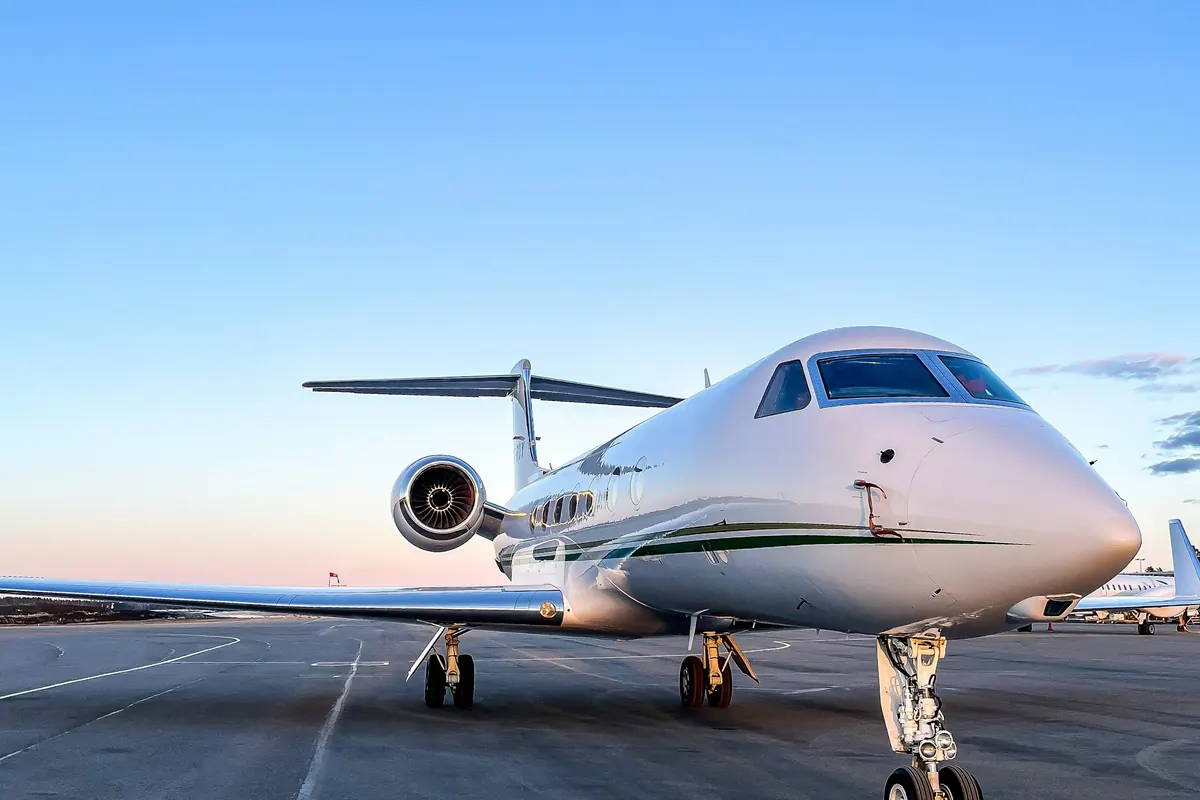
Citation XLS+
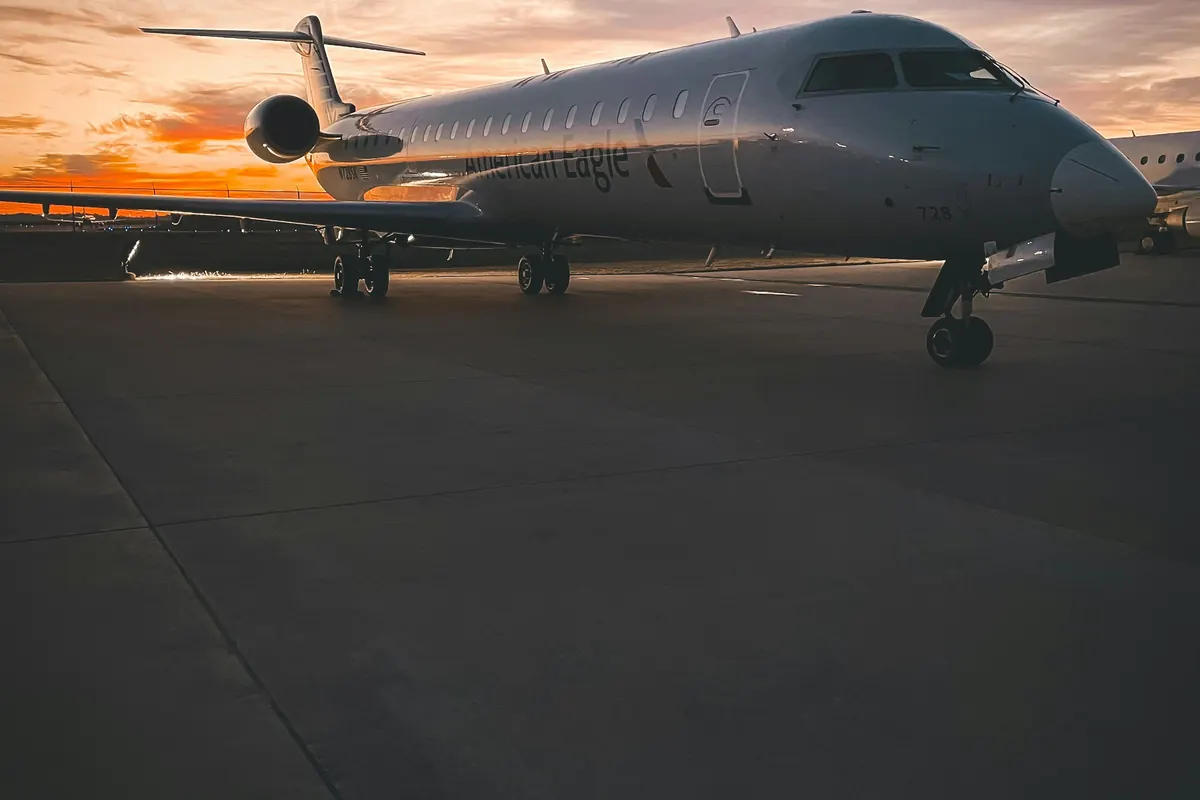
Challenger 350, Citation Longitude, Praetor 600
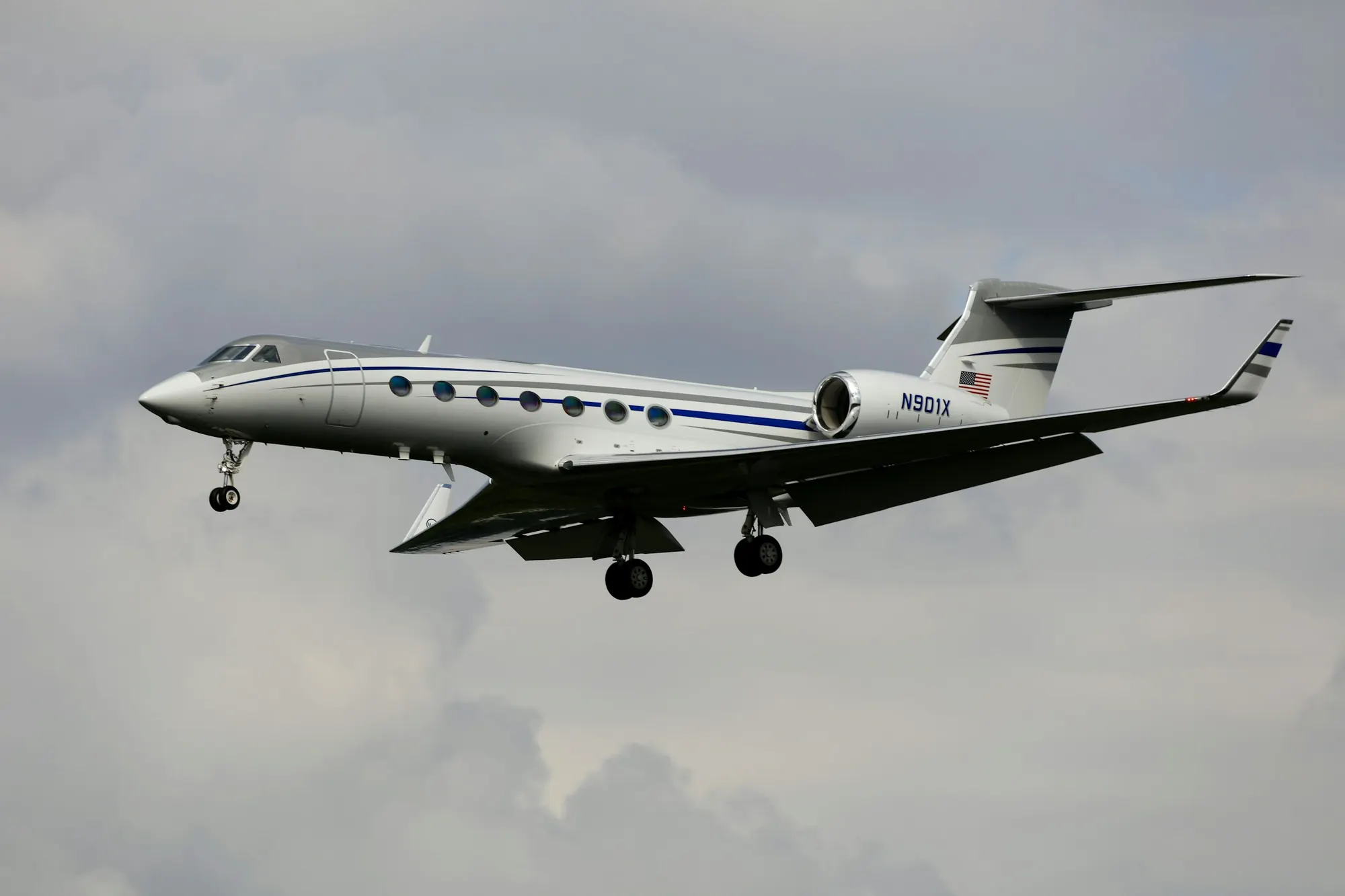
Gulfstream G450, Challenger 650, Falcon 2000LXS
Ultra long range jets such as the Gulfstream G650ER and Global 7500 seat 13–19 at about $12,000–20,000+ an hour. All categories
How it works
One advisor looks after your trip from the first message to the moment you land.
Route, date, travellers and the fare you’re comparing against, if you have one.
We source aircraft from certificated operators and send each with its operator and an all-in price.
Compare cost and time with your ticket. If first class wins, keep your fare.
Sign the charter agreement and pay. On the day, arrive 15 to 30 minutes before departure.
Routes
Approximate private flight times next to the usual airline option. Choose a route to start a quote with it already entered.

TEB · DJT

VNY · LAS
TEB · LTN
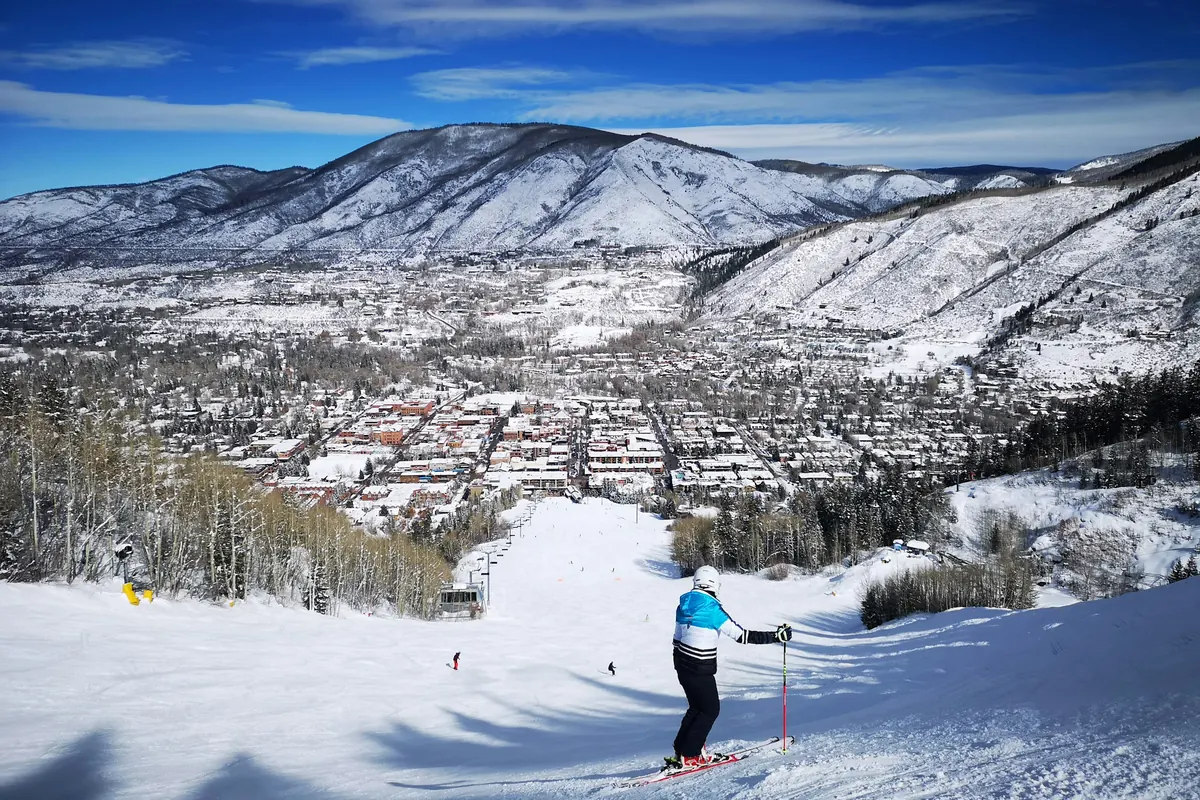
HPN · ASE

DAL · SJD

OPF · TEB
Standards
Airlines fly under FAA Part 121; on-demand charter flies under Part 135. We arrange the trip, a certificated operator flies it, and you know which one before you book.
The Part 135 rules are published on eCFR.
The federal rules for on-demand charter in the US, covering maintenance, crew training and pilots’ duty and rest. Abroad, the national equivalent applies.
Rates charter operators after reviewing their safety history, pilots and aircraft: Gold, Gold+ or, with an on-site audit, Platinum.
Audits operators to its Wingman standard and lists those that pass, a credential many corporate travel managers look for.
A voluntary international code for business aircraft operators, with three stages that track how far a safety management system has matured.
Questions
Straight answers on time, cost and comfort. There are more on the FAQ page
Usually by an hour or more on domestic trips. Private passengers arrive 15 to 30 minutes before take-off and skip connections; the flight itself takes about as long as the airline’s.
When four or more people share a short flight, especially on dates when fares run high. A 1.5-hour light jet trip works out at roughly $1,420–2,220 each for four travellers, before repositioning and airport fees.
Often. For one or two people, for long overnight flights with flat beds, or when lounges and miles matter to you, the ticket usually wins, and we will tell you when it looks that way.
Not through the airline checkpoints. You board from a private terminal where the crew checks photo ID; on international trips, passports are cleared at the terminal or on arrival.
On many aircraft, once the operator agrees. Mention the size and breed in your request and we will quote only aircraft that will take it.
That depends on the aircraft. Light jets take roughly one medium case per person plus soft bags; larger jets take far more. List golf clubs, skis or big cases so the operator can confirm.
A certificated operator: an FAA Part 135 carrier in the US, or the equivalent abroad. Private Jet vs First Class arranges the flight, and you see the operator’s name before you book.
No. Quotes are free and there is nothing to join; you pay only if you book and sign the charter agreement.
Comparisons
Detailed, even-handed pieces on time, money and the cases where each option wins.
Time
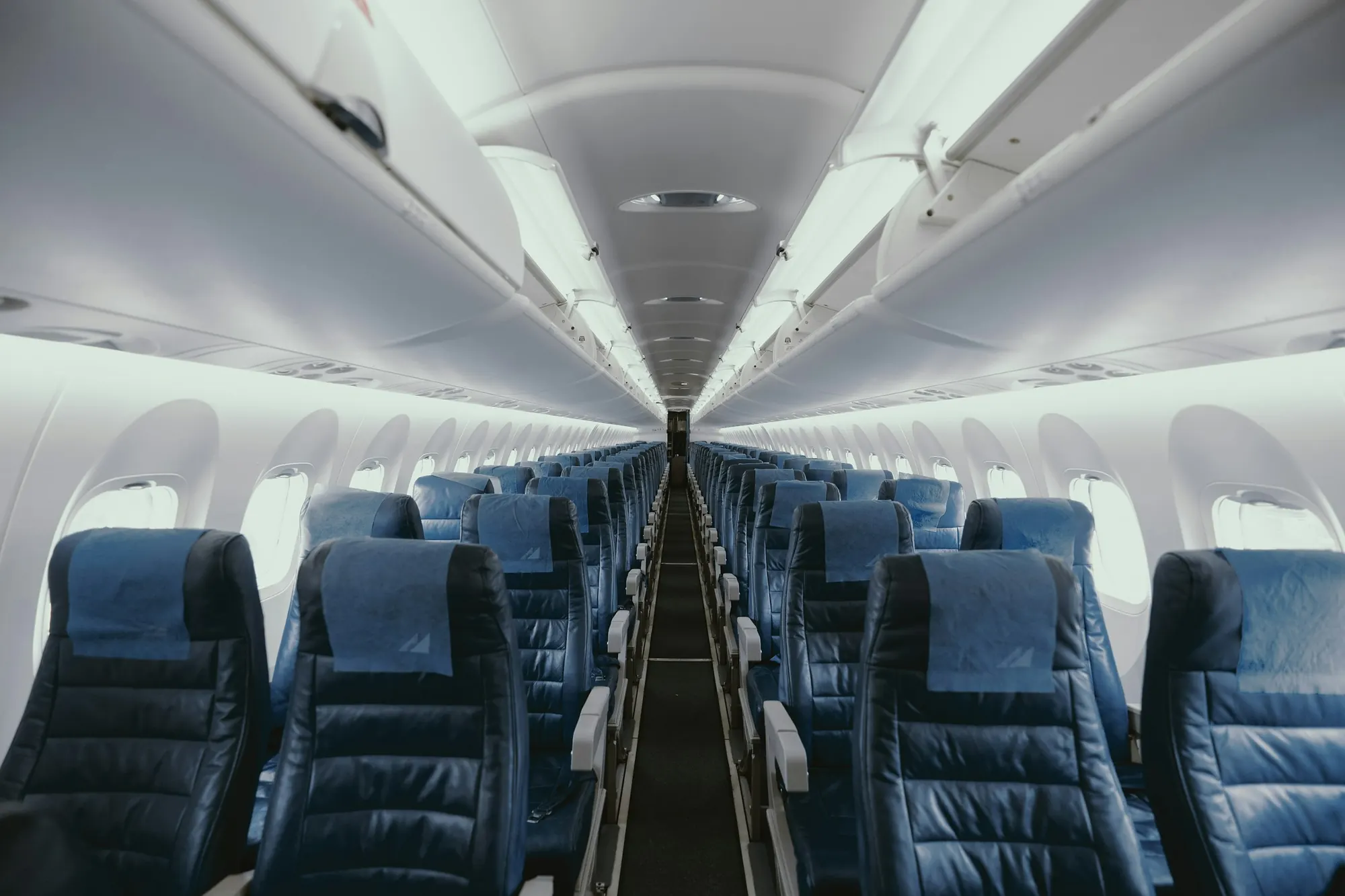
A fair door-to-door comparison of a private jet and a first-class ticket: airport time, flight time, connections, arrival and what each hour costs.
Money
When does chartering a light jet cost about the same as four first-class tickets? The per-person maths by flight length, with caveats.
Fairness
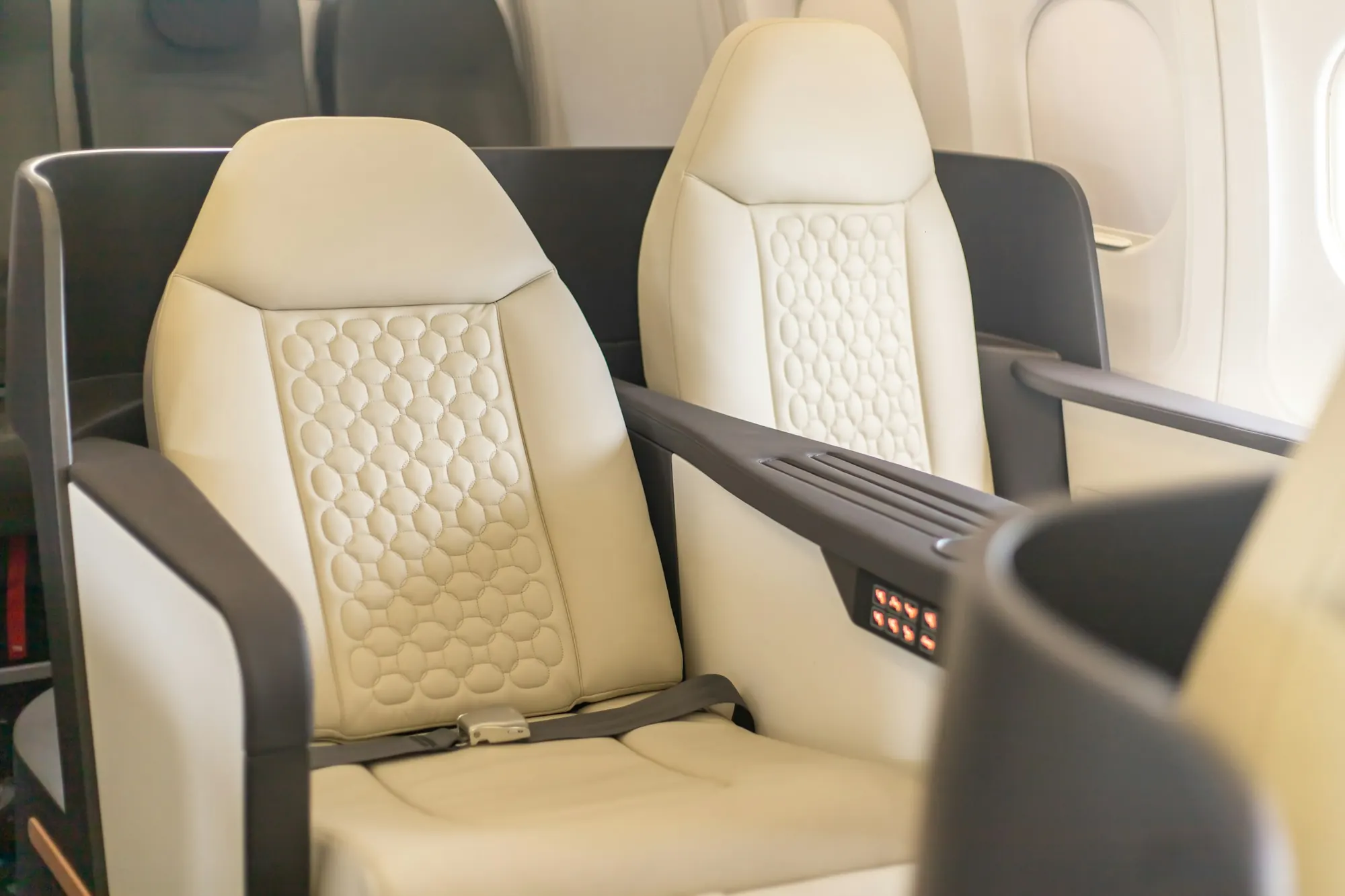
An honest look at where first class beats a private jet: price for one or two travellers, flat beds on long flights, lounges, miles and networks.
Request a quote
Tell us the trip and the fare you’re weighing. You’ll get aircraft options from certificated operators, each with one all-in price.